
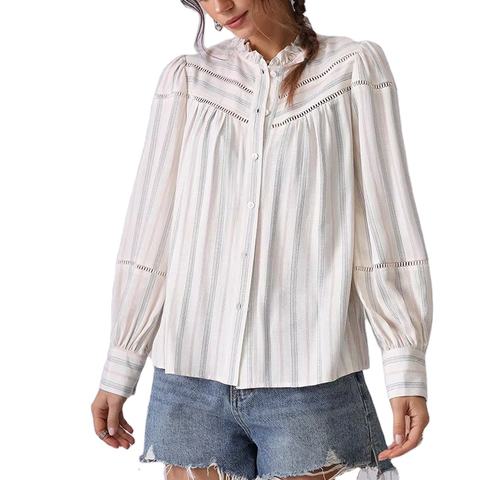
Sampling is the decision-making bridge between a concept and an order. It turns a sketch, reference garment or tech pack into something a brand can review for silhouette, construction, measurements, materials and finish before production planning begins.
1. Start with the clearest brief you have
A sampling project can begin with a complete tech pack, but it can also begin with a sketch, reference image, existing garment or category brief. The first task is to clarify which details are fixed and which are open to development: silhouette, measurements, fabric direction, trims, colour, branding and the intended use of the sample.
A clear brief does not need to answer every question on day one. It should make the next question visible. If fit is the priority, provide a fit reference or measurement direction. If the fabric is the priority, describe composition, hand feel, weight, stretch and finish requirements before judging a sample against an undefined material target.
- Front and back views or comparable product
- Base-size measurements or fit reference
- Fabric, trim, colour and branding direction
- Target sample purpose and intended delivery window
2. Develop the pattern, materials and first sample together
The first development sample is a working version, not automatically a production approval. It gives the team a basis to examine balance, construction choices and visual proportion. Depending on the project, a factory may first confirm a pattern direction, source materials, prepare a virtual review or build a physical sample for fit feedback.
Sample-stage names vary between factories and brands. What matters is recording the purpose of each round: visual direction, fit, material behaviour, sales presentation or pre-production approval. Published apparel development guidance similarly distinguishes early prototype work from later pre-production checks using intended materials and order specifications.
- Confirm what the sample is intended to validate
- Review measurements and construction against the brief
- Record fabric and trim substitutions before approving them
- Consolidate feedback into one dated revision list
3. Review fit and construction before requesting another round
A useful fit review separates objective corrections from preferences. Record measurement changes, ease, length, placement, seam details and finishing notes in one versioned file. This reduces contradictory comments and gives the next sample round a defined purpose.
DONGFAN's usual sample-development window is 2–3 weeks, adjusted for the number of samples and the development scope. That window should be discussed alongside the information available, the fabric direction and the number of revisions required; it is not a substitute for approving the final specification.
- Fit and measurement corrections
- Construction and finishing corrections
- Material and colour approval status
- Decision on whether another physical sample is needed
4. Approve a production-ready reference before bulk planning
Before a bulk order is released, the brand and factory need a shared reference for what is being made. For a pre-production review, this normally means the intended fabric, trims, measurements, artwork and workmanship instructions are aligned well enough to set the production standard.
Production is then planned against the approved scope, size allocation, quantity and delivery requirements. At DONGFAN, bulk production is generally planned for 4–8 weeks, adjusted for order quantity and the final confirmed requirements. Shipment timing also depends on the commercial terms, destination and freight arrangement selected for the order.
- Approved measurements and grading direction
- Confirmed fabric, trims and packaging
- Colour and size allocation
- Written approval of any final production changes
FAQs
How does clothing sampling work?
A brief is translated into a development sample or review, followed by documented feedback on fit, construction, materials and finish. The exact stages vary by project, but production planning should only follow a sufficiently approved specification.
Does every style need the same number of sample rounds?
No. The number of rounds depends on the clarity of the brief, construction complexity, fit requirements, material decisions and the purpose of each sample.
When should I request a physical sample rather than a virtual review?
Use a physical sample when fit, material behaviour, workmanship or final construction needs confirmation. A virtual review can help align on visible design direction before that stage when appropriate.