
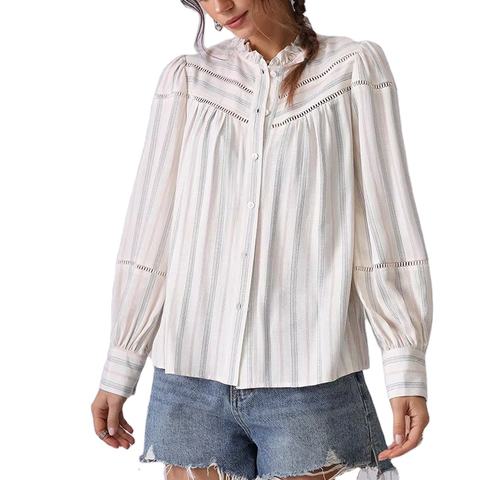
A sample brief does not need to be a long document to be useful. It needs to make the right six things visible: what you are making, what you are using as a reference, how many pieces you are considering, what material direction matters, which sizes are needed and when you need a decision. This concise structure is designed for an early feasibility conversation and complements, rather than replaces, a fuller tech pack.
1. State the product, reference and quantity
Begin with the garment category and a one-sentence description of the intended silhouette or use case. Attach a front-and-back reference image, sketch, link or existing garment photo. If the reference includes details you do not want copied, label them as inspiration rather than instruction.
Then state the target quantity. DONGFAN's standard MOQ is 100 pieces per style, but the selected material, construction, colour and size direction still need review. The quantity gives the factory context for the feasibility discussion; it is not the full production specification.
- Garment category and intended use
- Reference image, sketch or existing garment
- Details to retain or change
- Target quantity
2. Add material, size and timing direction
Describe the fabric as far as you can: preferred composition, hand feel, weight, stretch, colour or finish. If you do not know the exact material, say what the garment must achieve and what options you want the supplier to review. This is more useful than naming a fabric without an end-use requirement.
List the intended size range, base size or fit reference and the target timing. DONGFAN's usual sample-development window is 2–3 weeks depending on the number of styles and development complexity. Treat that as a planning range and confirm the project schedule after the brief is reviewed.
- Material composition or performance direction
- Colour and finish preferences
- Size range or fit reference
- Target sample-review date
3. Send one concise decision request
Close the brief by stating what you want the manufacturer to review. For example: feasibility, material options, sample scope, approximate production timing or the questions still open. This helps the receiving team respond to the actual decision rather than producing a generic acknowledgement.
If the project progresses, move the agreed information into a fuller tech pack or versioned development file. Keep later feedback consolidated, dated and linked to the same style reference so that sample decisions remain clear when the product moves toward production.
- The decision you need from the review
- Any open questions
- One contact for feedback consolidation
- A dated next version after review
FAQs
What are the six fields in a sample brief?
Include category, reference, quantity, material direction, size or fit information and target timing.
Can I send a sample brief without a tech pack?
Yes. A concise brief can start a feasibility discussion, then the project can move into a fuller technical pack as details are confirmed.
What should I ask the factory to review?
Ask for the specific decision you need, such as feasibility, sample scope, material options, timing assumptions or information still needed.